Problem
Restoration practitioners make decisions every day about where to plant, what to treat and what to try next.

The research that could guide those choices is spread across:
hundreds of papers

Our Mission
We put the evidence from 293 papers in plain language: what the studies found, how sure we can be, and where nobody has looked yet.
Every finding links back to a sentence in a paper. Every gap is shown as a gap, not hidden or mistaken for failure. When the research can’t answer a question, we say so.
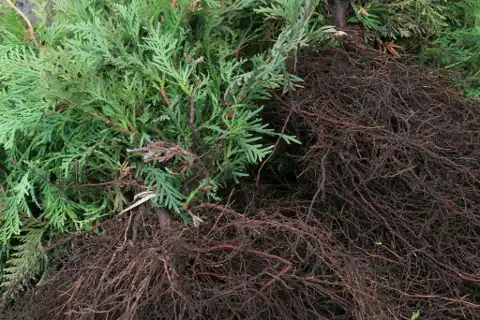
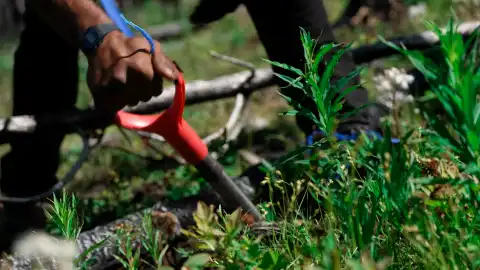
Q1. What helps planted seedlings survive and grow?
With high certainty, seedling size and stock type, fertilization at planting and vegetation control and release help seedling growth and size, and competing vegetation lowers seedling survival. Results are mixed for mycorrhizal or soil inoculation and site preparation, meaning the studies disagree, while fertilization at planting combined with site preparation increases seedling growth and size (moderate certainty, 1 study). 4 other findings have only low certainty, and nursery fertilization has not been studied for seedling survival.
Go to question → Tree planting · See it as a graph: Tree planting

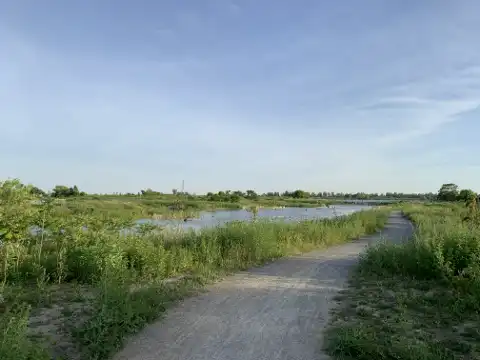
Q2. How long until a created marsh matches a natural one?
The studies cannot say how long created marshes take to match natural ones. Growth, size and biomass are behind natural marshes (high certainty), and species richness and diversity are behind natural marshes (moderate certainty), while community composition and similarity show no clear change as marshes age (moderate certainty). Eight other attributes, including hydrology, erosion and geomorphology, were never compared with natural marshes. Summary written at build time by a language model from this answer's findings; the question page has the exact values.
Q3. Where is grassland restoration research missing?
Evidence is missing for 5 interventions and 2 outcomes, as nobody tested them. The most studied combinations, such as seeding and sowing on plant and vegetation cover, show mixed results (moderate certainty), while herbicide and chemical vegetation control on plant and vegetation cover also shows mixed results (high certainty). An empty cell simply means nobody tested that specific combination. Summary written at build time by a language model from this answer's findings; the question page has the exact values.